Maldives
About
The Maldives is a tropical paradise located in the Indian Ocean, southwest of India and Sri Lanka. Comprising 26 atolls and over 1,000 coral islands, the Maldives is renowned for its breathtaking natural beauty, turquoise waters, white sandy beaches, and vibrant marine life. It’s a popular destination for honeymooners, beach enthusiasts, and scuba divers alike. Here’s an overview of what the Maldives has to offer:
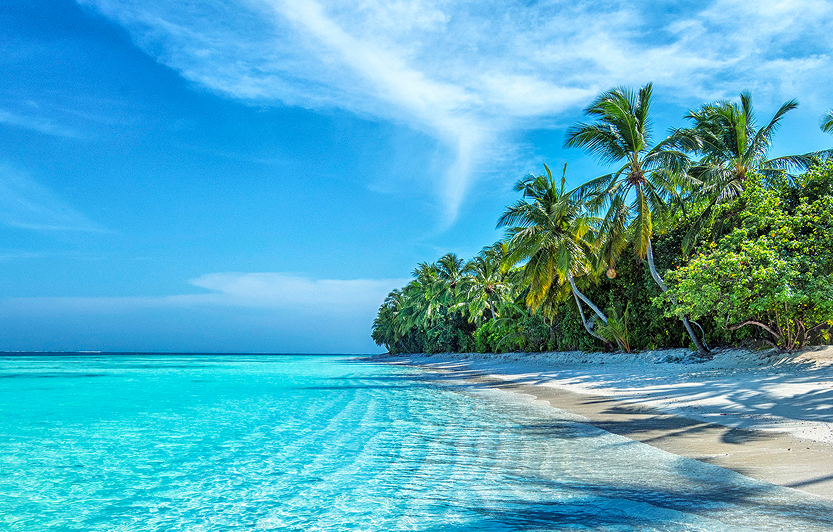
Stunning Beaches: The Maldives is synonymous with idyllic beaches. The islands boast powdery soft white sands and crystal-clear waters, creating a postcard-perfect setting. Many luxury resorts have private beaches, allowing visitors to relax and unwind in privacy.
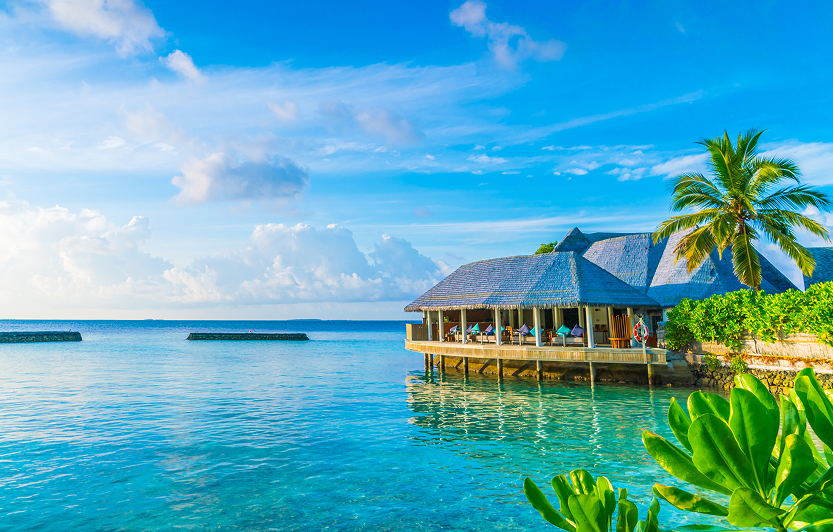
Overwater Bungalows: One of the Maldives’ iconic features is its over-water bungalows. These luxurious accommodations provide direct access to the ocean from your doorstep, offering uninterrupted views of the sea and marine life beneath.
Marine Biodiversity: The Maldives is a haven for divers and snorkelers. The coral reefs are teeming with vibrant marine life, including colourful fish, rays, sharks, and turtles. The underwater world here is a UNESCO Biosphere Reserve, making it a must-visit destination for nature lovers.
Water Activities: The clear waters surrounding the islands are ideal for various water sports. Snorkelling, scuba diving, windsurfing, kayaking, and stand-up paddle boarding are just a few of the activities you can enjoy.
Local Culture: While tourism is a significant part of the Maldivian economy, the local culture is rich and unique. Visitors have the chance to experience traditional music, dance, and cuisine. Maldivian cuisine often features seafood and tropical fruits.
Island Hopping: With numerous islands to explore, island hopping is a popular activity. Each island offers a slightly different experience, from luxurious resorts to local villages. This allows visitors to get a broader perspective of the Maldives’ diverse offerings.
Conservation Efforts: Due to its fragile ecosystem, the Maldives places great emphasis on environmental conservation. Many resorts incorporate Eco-friendly practices to minimise their impact on the environment.
Sunsets and Sunrises: The Maldives offers some of the most spectacular sunsets and sunrises you’ll ever witness. The horizon seems to stretch forever, creating a breathtaking backdrop for romantic moments.
Relaxation and Wellness: The Maldives is a haven for relaxation and wellness. Many resorts offer spa treatments, yoga sessions, and meditation classes in serene settings.
Luxury Resorts: The Maldives is known for its high-end, luxury resorts that cater to travellers seeking exclusivity and comfort. These resorts often offer private villas, personalised services, and top-notch amenities.
It’s important to note that the Maldives is a Muslim-majority country, so it’s recommended to respect local customs and traditions, such as dressing modestly in public areas outside of resort islands.
In summary, the Maldives is a tropical paradise that offers a perfect blend of natural beauty, adventure, relaxation, and luxury. Whether you’re seeking underwater exploration, romantic getaways, or simply a break from the hustle and bustle of everyday life, the Maldives is sure to leave you with unforgettable memories.